
Blog Issue 8: Our Youth Steering Committee’s Thoughts on Leadership
At the start of the 2025-2026 school year, our Youth Steering Committee members named public speaking as a skill they want to learn more about and become confident in by the end of the school and program year. Throughout the past few months, the members learned how to confidentially speak about themselves in an interview setting, how to talk about the work we do at ARYSE and their role as a Youth Steering Committee member, and in their last meeting learned about how public speaking is more than just speaking in public.
This latest program session is what brings this blog to you: an inside look into what our youth leaders think about leadership. Below, nine members of our Youth Steering Committee answered various questions all related to leadership. The students generated these questions in a virtual meeting at the beginning of April where they learned about how asking questions is an important skill in leadership. In their answers, you'll learn about what leadership is to them, advice they'd give their younger selves and others, and much more rich and real responses that make us proud to have them as ARYSE youth leaders.
We hope you appreciate their words as much as we do and thank them for their trust in sharing what they've written.
What life experiences have most shaped the way you lead today?
By Iragi (she/her)
My journey as a leader began at home. As the oldest sister, I’ve always felt a deep responsibility to be a positive role model. Knowing my younger sisters are watching me motivates me to lead by example, whether I’m helping them with homework or teaching them new skills. This early experience taught me that leadership is rooted in service and being someone others can depend on.
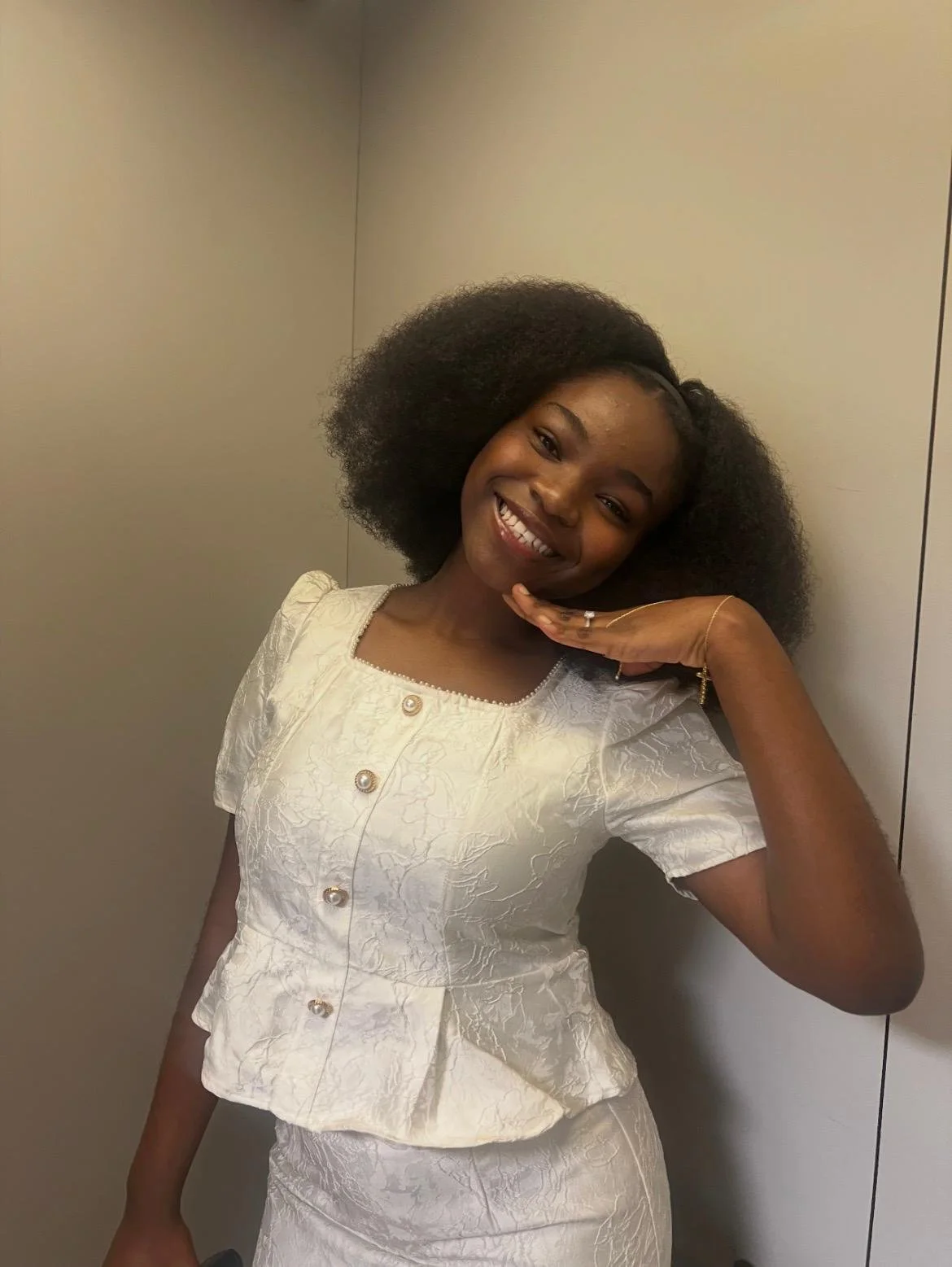
In school, I grew further into this role as 'Chef de Class.' Being trusted by my teachers to maintain order and manage the classroom taught me the importance of accountability and authority.
I also applied these skills as a counselor at ARYSE, where I acted as a bridge for others. I remember translating for a young boy during a Swahili workshop; he even began calling me 'Sister' in Swahili as I helped him navigate his English lessons. This moment reinforced how much I value helping others feel heard and supported.
Recently, my passion for leadership took me to Washington, D.C., where I studied diplomacy and international relations. Meeting with various ambassadors, including the representative from Mexico was a turning point for me. When I asked her about U.S.-Mexico relations, she shared a piece of advice that stayed with me: always seek a diplomatic solution before any other path. This perspective has fundamentally shaped how I lead today, teaching me to prioritize communication, empathy, and thoughtful decision making.
What is a truth you hold about leading that you've never actually said out loud?
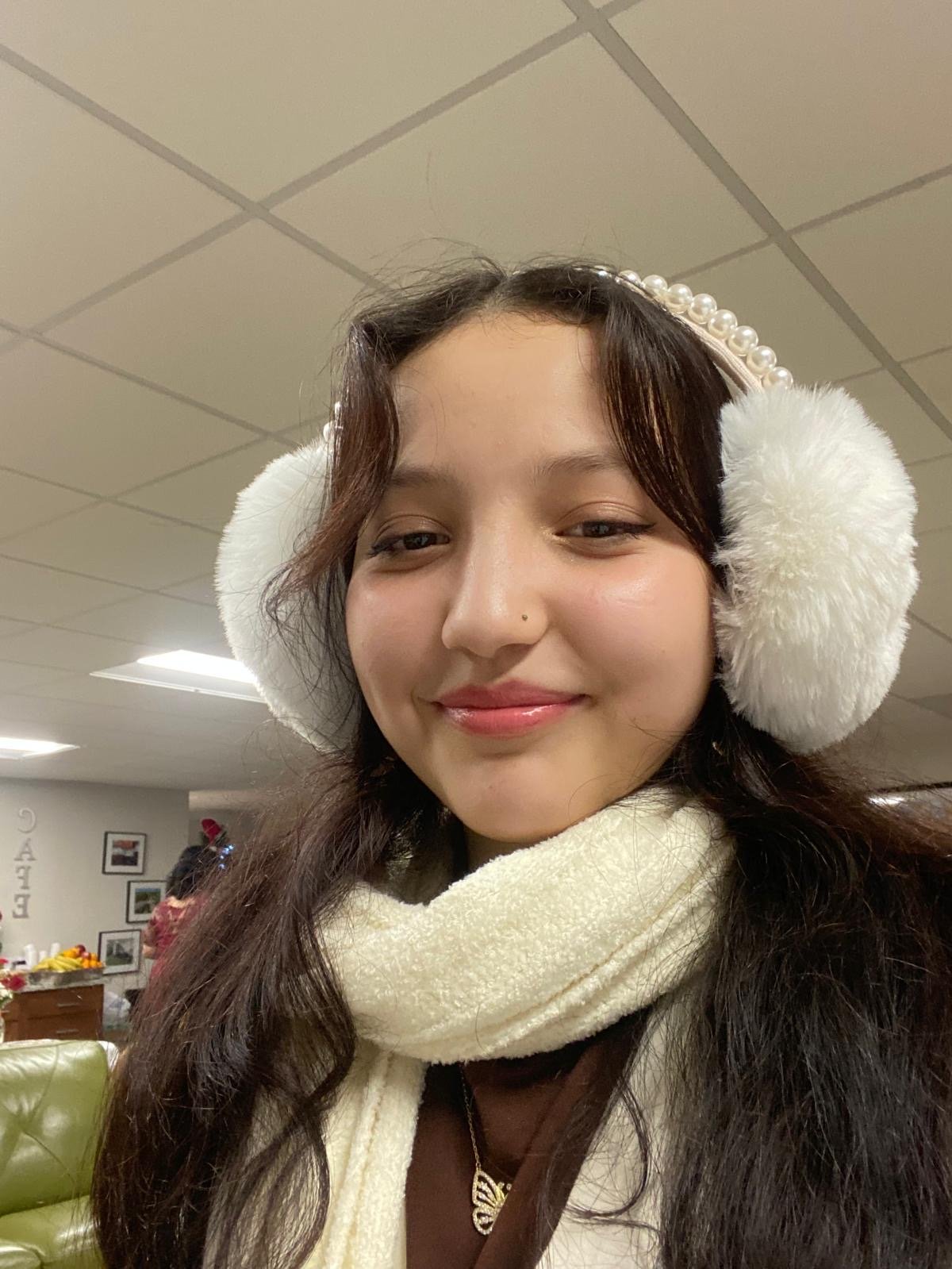
By Madina (she/her)
Leading is the constant practice of holding your own breath so that others have the air to breathe. It is the exhausting discipline of being the anchor when you’d rather be the storm, choosing to be the calm foundation while the chaos rests entirely on your shoulders.
Can you lead when you don't know the way, and what is a truth you hold about leading that you've never actually said out loud?
By Devin (he/him)
Yes, in fact, some of the greatest leadership happens in moments of uncertainty. Leading when you don’t know the way isn't about pretending you have all the answers; it’s about having the courage to say, "I don't know yet, but we are going to figure this out together." When a leader admits they are in uncharted territory, it builds immense trust. It transforms the group from a hierarchy into a collaborative team. By focusing on the values of the group rather than a specific destination.
A leader should handle failure with transparency and accountability; failure is inevitable in any meaningful endeavor; but it becomes a defeat when it is hidden and the person responsible does not take responsibility. Instead of blaming, a leader takes full responsibility and takes it as a learning moment. By treating failure as a data point the leaders gives everyone around him the chance to be human and to try.
What advice would you give your younger self about the leader you have become?
By Fahima (she/her)
I would tell my younger self to believe in myself and not be scared to be a leader. You do not have to be perfect to lead others. It is okay to make mistakes because that is how you learn and grow.
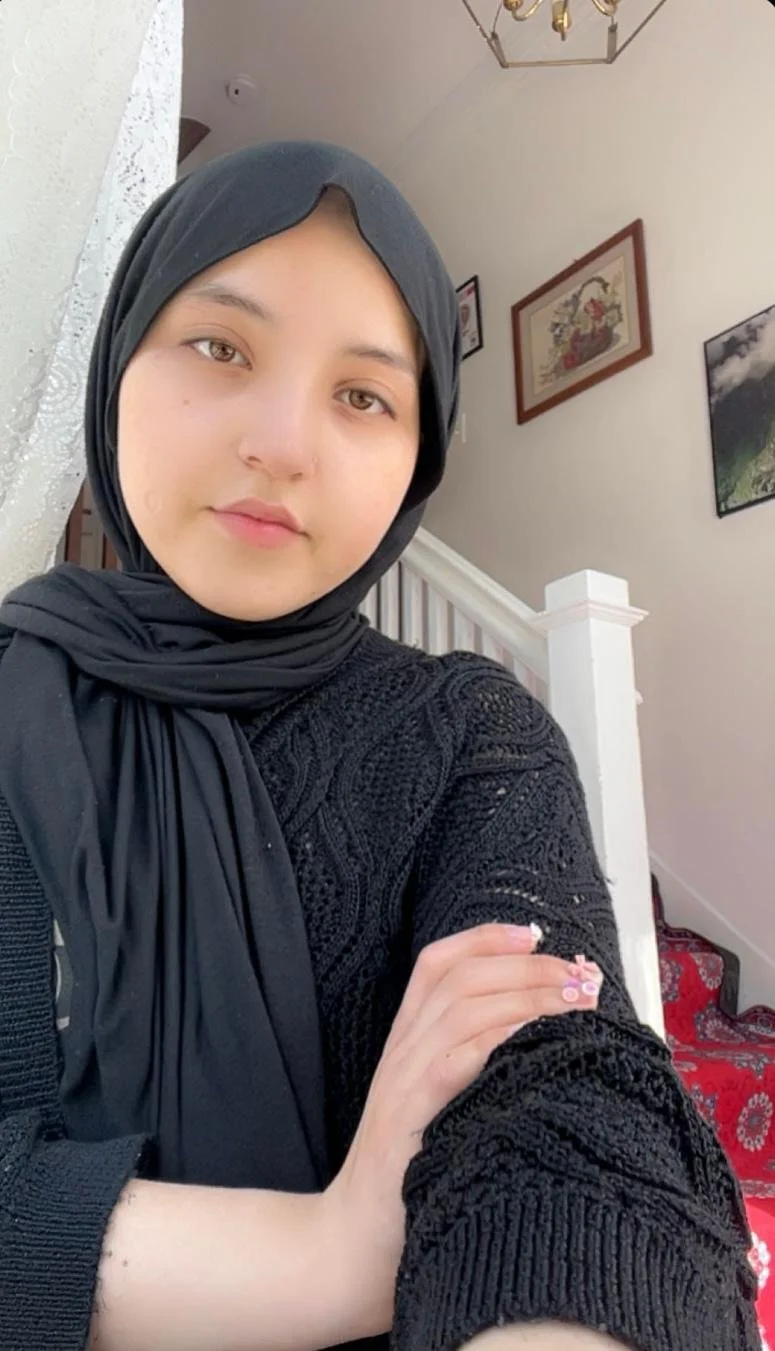
I would say to always listen to people and care about what they say. Being kind and respectful is very important. I would also say to speak up and share your ideas, even if you feel nervous. Sometimes things will be hard, but you should not give up.
Stay calm, be patient, and keep trying. I learned that a good leader helps others, works as a team, and make everyone feel included and important.
Do you think leadership is something people are born with or something they learn over time? Explain why.
By Faustin (he/him)
I think everyone can be a leader and everyone has the ability to lead, but not everyone can be a good leader. Being a leader doesn’t require a title—anyone can step up, take charge, or guide others in a situation. For example, in school or on a team, different people can lead at different moments. However, being a good leader is different.
A good leader needs qualities like responsibility, communication, and the ability to understand others. Not everyone naturally has those skills, and some people don’t take the time to develop them. Also, a good leader thinks about the group, not just themselves. They take responsibility when things go wrong and try to help others improve. Someone might be in charge, but if they don’t listen, respect others, or make fair decisions, they are not a good leader.
So, while leadership is something everyone can do at some level, being a good leader takes effort, growth, and the right mindset over time
What life experiences have most shaped the way you lead today?
By Ally (she/her)
What helped me to be a better leader was to have a role model that you think to be the best and to listen to their advice. It's also been helpful to have a good relationship with all your team members and partners and never hesitate to ask for help and use resources that can support you.

Lastly, having a plan for everything has really helped me be a leader and manage any problems that I might have in the future. It's important to have an open mind and to not overthink things too much because if you have everything planned and you know what you're doing, everything will go as planned.
What advice would you give your younger self about the leader you have become, and how has this advice shaped your experiences at ARYSE?
By Said (he/him)
I would tell my younger self 4 things: stay humble, be real, listen to others, and never stop improving. It's important to not let your ego control you and to be yourself, don't fake it. When listening to others, don't interrupt. You can learn more when you listen to others. I will always try to be better. We are always changing. It's okay to go step by step and learn from your mistakes.
At ARYSE, I am more confident, better at communicating, and have been pushed to step up and take initiative.
What is leadership to you and what would you want your younger self to know about the leader you have become?
By Rechab (he/him)
Leadership to me is the ability to lead yourself and others in the right direction, and the way it has shaped my experiences with ARYSE is that it's given me the opportunity to better understand myself and to use that understanding to help others. I remember one time there this man who was able to attract people to him, through its actions, and I was so impressed that I wanted to be like him, a leader who is charismatic, humble and who feel other emotion and pain.

I believe that to become a true leader you have to go through unique experiences and situations that will shape you in the future, which means I would want my younger self to experience things so he can find the path to true leadership.
What advice would you give your younger self about the leader you have become?
By Nargis (she/her)
As long as I can remember, when I was younger there were many different opinions about the things I wanted to do, and because of those opinions, I wasn’t able to fully pursue what I loved without being judged. If I were to give advice to my younger self, it would be that leadership isn’t about being perfect or having all the answers. There will always be opinions about what you do.

Being a leader is about learning, listening, and growing with others. I’ve learned that real leadership comes from empathy, consistency, and standing by your values, even when it’s uncomfortable. I would remind myself to trust my voice and be patient with the process.